DTF vs. Screen Printing: Which Is Right for Your Order?
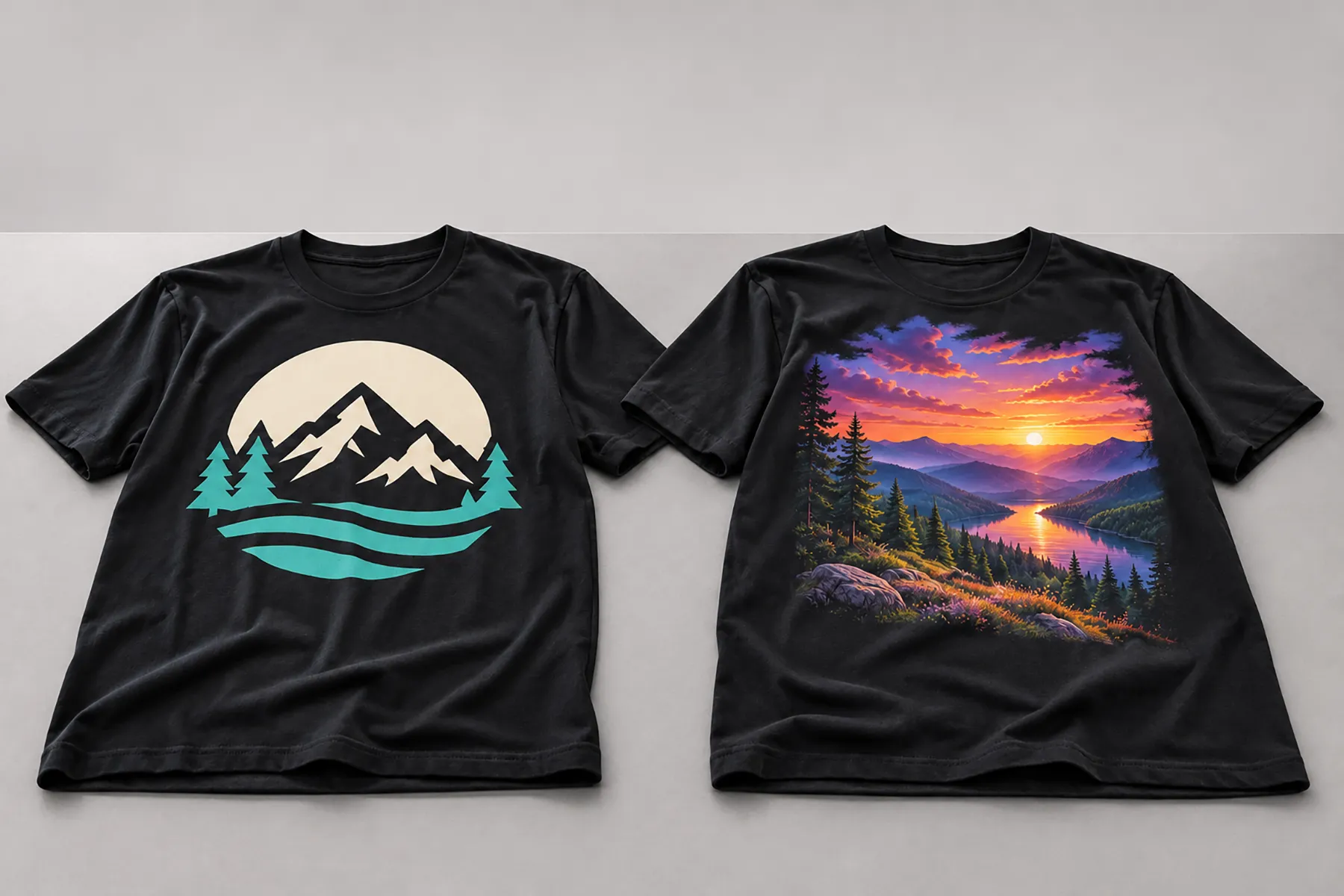
Your logo has a sunset in it. Or a gradient. Or nine colors and a tagline small enough to need reading glasses. Then someone asks whether it should be screen printed or DTF printed, and suddenly you’re expected to have an opinion about ink.
You don’t need one yet. You need a few good questions.
Screen printing and DTF (direct-to-film) printing can both put great-looking artwork on a shirt. They just get there differently, and those differences show up in how your design looks, which garments it works on, and how the price behaves as your order grows. Here’s how to choose without becoming a print technician.
The Quick Answer
Screen printing is usually the right call when:
- Your design uses a few solid colors
- You want bold, simple graphics that read from across the room
- You’re ordering a larger quantity of the same design
- You want the method with the longest track record for heavy wear and washing
DTF is usually the right call when:
- Your artwork has gradients, shading, or photo-style detail
- Your design uses a lot of colors
- Fine lines or small text need to stay crisp
- You want full-color artwork without paying to set up a separate screen for every color
Appapro’s Quick Take: Count the colors before you count the shirts. The artwork usually makes this decision before the quantity does.
How Screen Printing Works
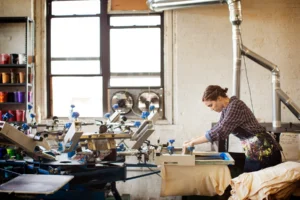
Screen printing pushes ink through a fine mesh screen onto the fabric. Each color in your design gets its own screen, and the colors are printed one at a time.
That setup explains screen printing’s pricing. Preparing screens takes work up front, so a one-color design costs less to set up than a six-color design. Once the screens are ready, though, each additional shirt costs less per piece. That’s why screen printing has long been the favorite for team shirts, event tees, and bulk company orders.
For a closer look at screen printing, including how it compares with embroidery, see our guide to screen printing or embroidery on custom logo hoodies.
How DTF Printing Works
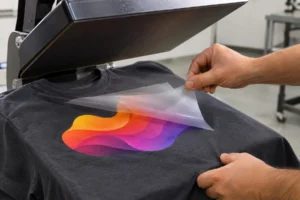
DTF skips the screens entirely. Your design is printed digitally onto a special film, coated with an adhesive powder, and cured. The finished transfer is then heat-pressed onto the garment, where the adhesive bonds the print to the fabric.
Because the artwork is printed digitally, a design with twelve colors goes through the same process as a design with two. Gradients, soft shadows, and detailed illustrations come through without being broken down into separate screens.
If screen printing is a set of stencils, DTF is closer to a very good printer that happens to print on shirts.
Appapro’s Quick Take: DTF doesn’t care how many colors you bring. Screen printing cares a great deal.
Choose by Your Artwork
Bold Logos and Solid Colors
A one- or two-color logo, a big block-letter school name, a clean event graphic: this is home turf for screen printing. Solid colors print crisp and opaque, and simple designs are exactly where screen printing’s setup pays for itself.
Gradients, Shading and Detail
A sunset that fades from orange to purple. A mascot with highlights and shadows. A logo built with a drop shadow somebody insisted was essential. Screen printing can imitate some of these effects, but it takes extra work and doesn’t always match what you see on screen. DTF reproduces them much more directly.
Lots of Colors
In screen printing, every color adds a screen, and every screen adds setup. A full-color DTF design doesn’t carry that per-color setup. If your artwork is a full-color piece rather than a few flat colors, DTF is usually the more practical route.
Fine Lines and Small Text
Thin strokes and tiny lettering are where details tend to go missing. DTF generally holds fine detail well because it’s printed digitally. Screen printing can handle detail too, but very thin lines may need a little extra weight to print cleanly. Either way, you’ll see it on your proof before anything is printed.
Choose by Quantity
Here’s a detail that surprises people: at Appapro, the decoration method doesn’t change your minimum. Minimums are set by the garment:
- 48 pieces for short-sleeve T-shirts
- 24 pieces for long-sleeve T-shirts, hoodies, crewnecks, and similar garments
- 12 pieces for premium quarter-zips, polos, and similar styles over $75 (blank garment price)
So the question isn’t “Which method lets me order fewer?” It’s “Which method makes the most sense for this design at this quantity?”
For a simple design on a big order, screen printing’s per-piece price tends to drop as the count climbs. For a full-color design, DTF avoids the pile of setup that comes with printing many colors. When it’s a close call, request a quote and we’ll help you compare.
Choose by Garment
DTF is a strong fit for the garments people order most:
- T-shirts
- Hoodies
- Crewneck sweatshirts
- Quarter-zips
It isn’t the right fit for everything. Polos and jackets generally look better embroidered, since a stitched logo suits their more polished style. DTF is also a no-go on fleece with long fibers, such as sherpa or high-pile fleece. The transfer needs a smooth surface to bond to, and fluffy fibers don’t offer one.
Screen printing covers much of the same everyday ground: tees, hoodies, and sweatshirts, especially when the design is bold and the order is large.
How Long Does DTF Last?
Older heat transfers earned a reputation for cracking and peeling. Modern DTF is a different story. Inks, films, and adhesives have improved to the point that a well-applied DTF print holds its color and detail through regular wear and washing.
DTF suppliers commonly rate properly applied transfers for roughly 50 to 100 washes with good care. Screen printing remains the long-standing benchmark for durability, especially for simple designs on garments that get washed constantly. For most company, school, and event apparel, though, both methods will look good for a long time when they’re cared for properly.
A little care goes a long way with either method:
- Wash inside out
- Use cold water
- Tumble dry low or hang dry
- Skip the fabric softener
- Don’t iron directly on the print
Appapro’s Quick Take: Treat a DTF print like a favorite shirt, not a shop rag, and it will return the favor.
Which One Is Right for Your Order?
A few common scenarios:
- 5K shirts with a one-color logo: Screen printing. Simple art, one design, plenty of shirts.
- Spirit wear hoodies with a full-color mascot: DTF. Highlights, shadows, and school colors come through without a screen for each one.
- Company tees with a two-color chest logo: Screen printing is usually the efficient choice.
- Quarter-zips with a detailed full-color emblem: DTF, or embroidery if the logo can be simplified.
- Polos for client gifts: Embroidery.
Planning apparel for a whole school or team? Our guide to spirit wear ideas for schools, teams and organizations covers collections, sizing, and decoration choices across an entire program.
Get Your Artwork Ready
Whichever method you choose, the finished print is only as clean as the file you start with. Low-resolution images, screenshots, and logos pulled from a website often need work before production.
Review the Appapro Artwork Guidelines before sending files. Not sure your artwork is ready, or which method suits it best? Email our design team, and we’ll take a look.
Every order includes an emailed artwork proof, so you’ll see placement and sizing before anything is printed. Production starts only after you approve it.
Ordering DTF Printing Today
DTF printing is available now by custom quote while we add it to our online product pages. To get started, email our custom quote team with:
- The garment or garments you have in mind
- Your estimated quantity
- Your artwork
- Your needed-by date
Standard production takes 5–10 business days after proof approval, plus shipping, and shipping is free.
Working with a simple one- or two-color design? You can shop and order screen-printed custom T-shirts online right now.
Two great methods. One right answer for your artwork. Let’s find it.
Read More Articles
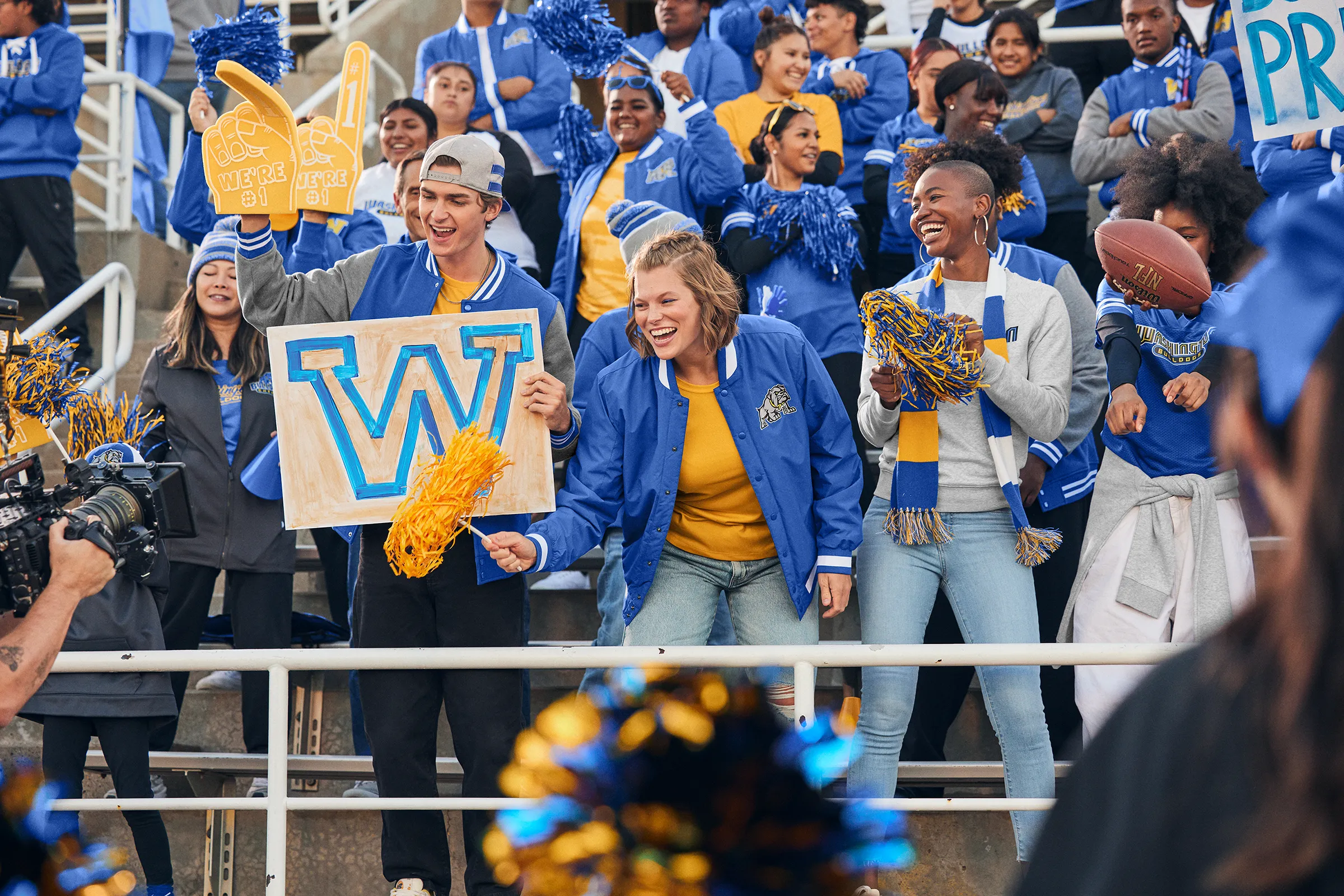
Spirit Wear Ideas for Schools, Teams and Organizations
Good spirit wear does more than put a logo on a shirt. It gives students, athletes, families, staff members, alumni, and supporters a way to...
Read More
Corporate Gift Ideas Employees and Clients Will Actually Use
There are corporate gifts that get used, corporate gifts that get politely acknowledged—and corporate gifts that begin a slow, lonely journey toward the back of...
Read More